

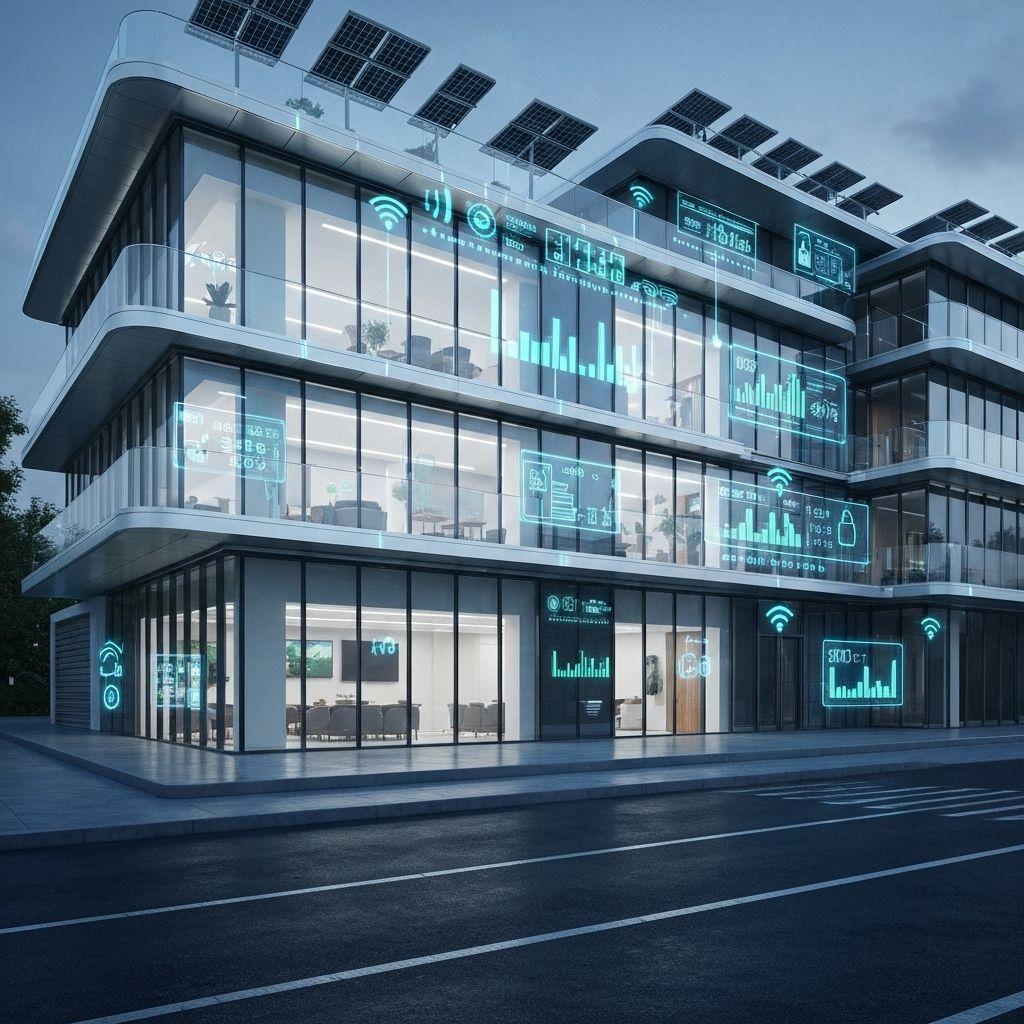
Smart buildings are no longer a vision of the future. AI is developing at a rapid pace and is playing an increasingly important role in optimising buildings. Artificial Intelligence helps building managers gain insights more quickly, work more efficiently and offer users greater comfort.
To mark five years of Future Lighting, we look back at a topic that attracted significant attention during a previous edition: The power of AI in Smart Buildings.
Future Lighting 2025
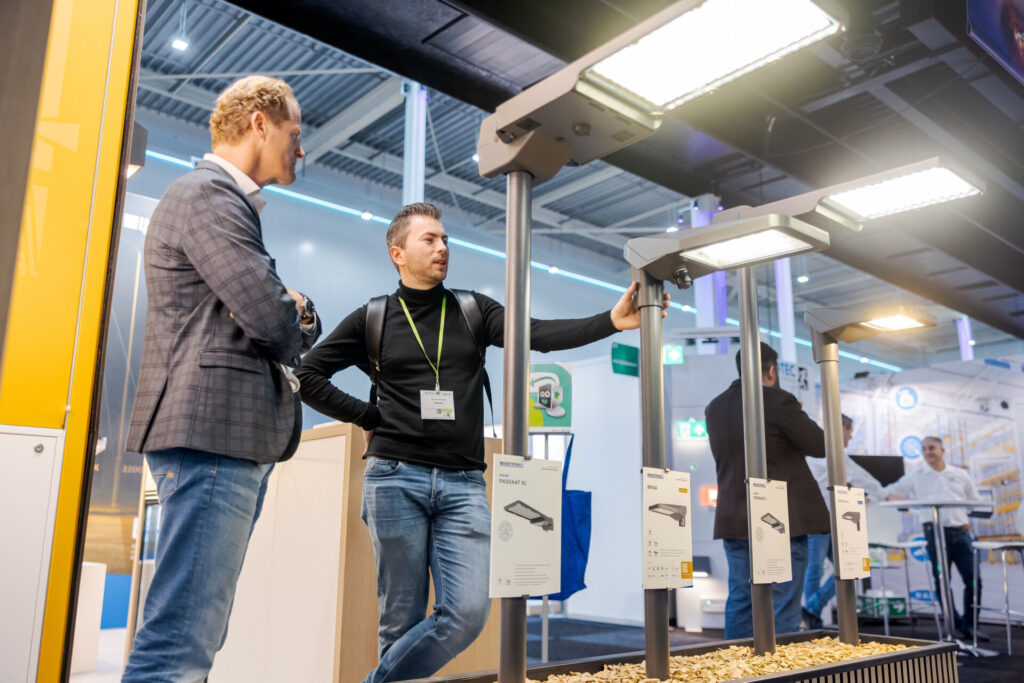
During Future Lighting 2025, Ferdinand Grapperhaus Jr. demonstrated how AI can turn vast amounts of building data into actionable insights. His message was clear: the challenge is no longer collecting data, but combining and interpreting it intelligently. Buildings contain information from lighting, sensors, climate-control systems, building management systems and external data sources, but this information is often fragmented. AI can bring these individual pieces of the puzzle together and translate them into concrete actions.
From dashboards to intelligent assistants
Since the presentation, developments have moved forward. While AI was initially used mainly to make dashboards and reports smarter, we are now increasingly seeing AI agents that actively support building managers. These systems can identify anomalies, predict maintenance needs and make recommendations to save energy or improve comfort.
Since the presentation, developments have moved forward. While AI was initially used mainly to make dashboards and reports smarter, we are now increasingly seeing AI agents that actively support building managers. These systems can identify anomalies, predict maintenance needs and make recommendations to save energy or improve comfort.
Lighting also benefits from this. By combining data from occupancy detection, daylight sensors, weather forecasts and building use, lighting can automatically adapt to the situation. This not only reduces energy consumption, but also creates a more pleasant and healthier environment for users.
Data remains the foundation
However, AI is not a solution in itself. Organisations such as TNO emphasise that the quality of AI is highly dependent on the data available. AI can only provide valuable analyses and recommendations when data is reliable and different systems communicate effectively with one another.
Human expertise also remains indispensable. AI can recognise patterns, calculate scenarios and make suggestions, but the final judgement remains a human task. It is precisely this collaboration between people and AI that makes Smart Buildings smarter and more reliable.
As buildings become increasingly digitalised, AI will become an ever more integral part of integrated building management in the coming years. Not as a replacement for installers or building managers, but as an intelligent assistant that helps make buildings more comfortable, sustainable and efficient.
Sources: TNO, BUILD UP, Future Lighting 2025